
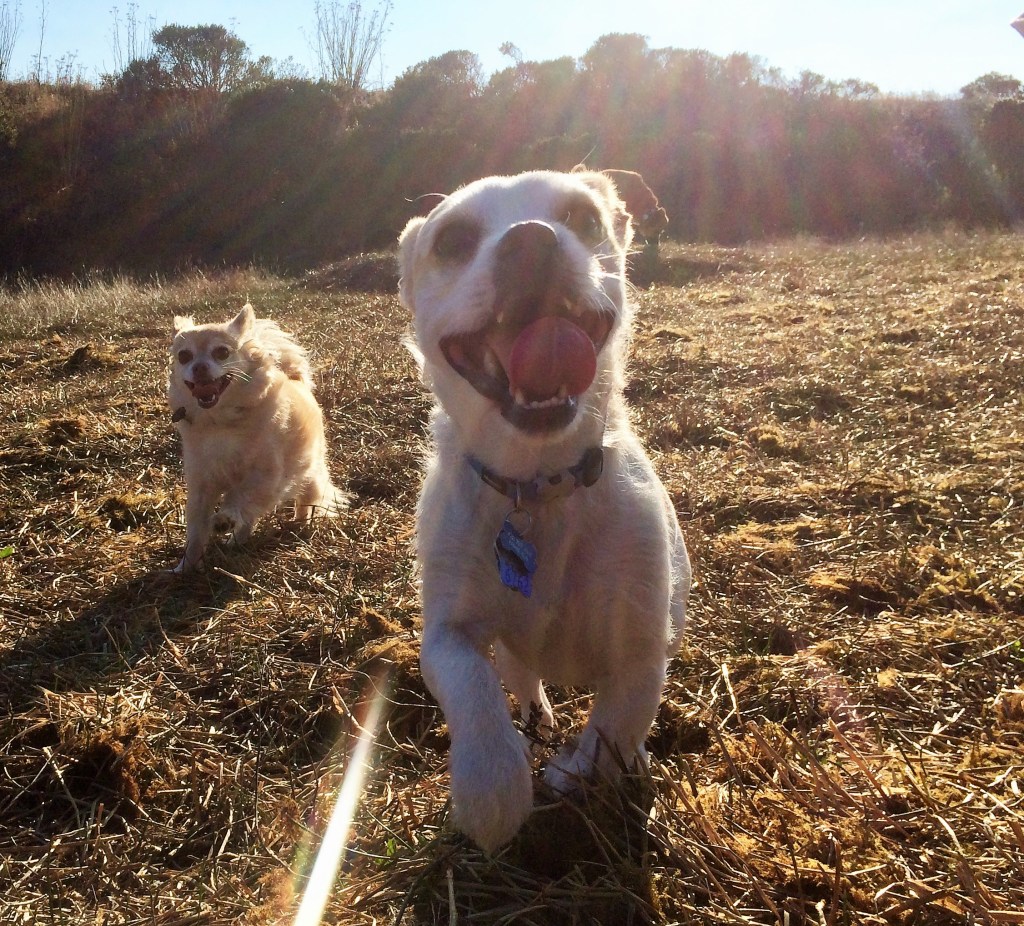
A bored pup is a destructive pup. Here are some fabulous resources (tough toys, puzzle toys, cbd chews, durable beds) for a dog that is left home alone, crated, in a pen, bedroom etc. for any length of time.
SMELL THAT?! When’s the last time you washed your pet’s collar? Remove all tags, and throw the collar in the wash on gentle cycle, with a towel or two. Or, just toss it in your bathroom sink and let it soak with some dish detergent for about an hour. Scrubbing helps remove the ground in dirt. And, if you’re washing the collar, how about a bath for the pet as well? Do both at least every 6 months to wash away built up germs, bacteria, oils and dry skin.
IS MY DOG OVERWEIGHT? Click this link for a fabulous article on how to help your dog lose weight.
I CAN’T GO ANYWHERE! MY DOG HAS SEPARATION ANXIETY! Let’s see how César Millán helps us with this topic. Click here!
BORED PUP AT HOME? FABULOUS KONG-FILLER IDEAS HERE!
WHATS THE DIFFERENCE BETWEEN CORE AND NON-CORE VACCINES? Read on HERE for dogs and HERE for cats.
Fabulous training advice below from Sunshine Dog Training & Behavior:
🛑 NO! FIDO! STOP! 🛑
Do you find yourself trying so hard to stop your dog from doing XYZ, and well it’s not working as well as you had hoped?
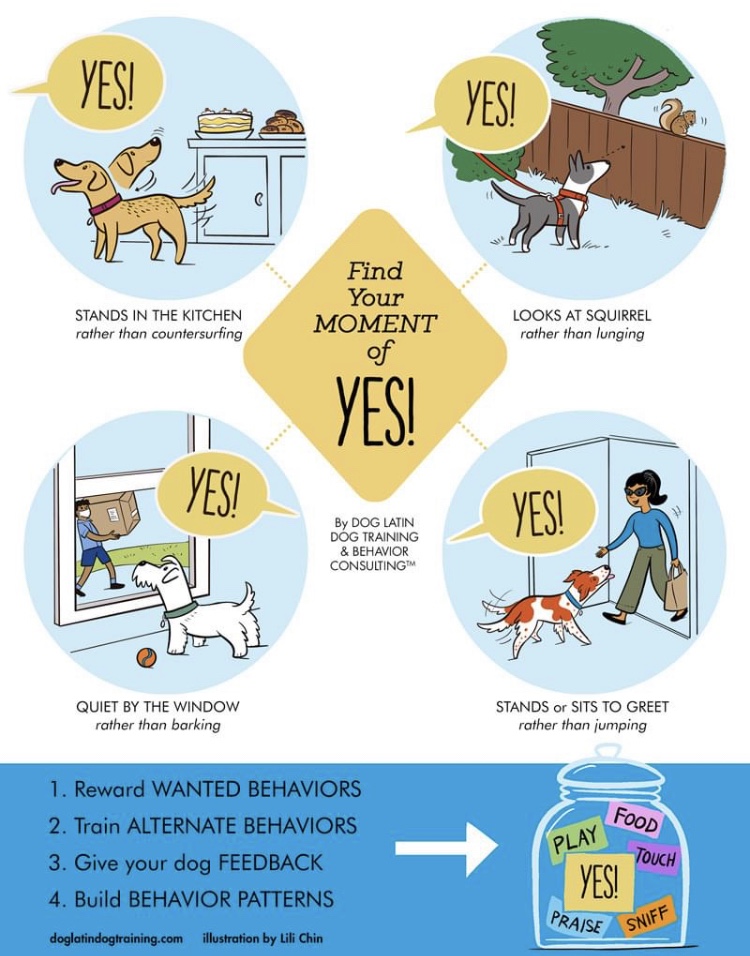
Behavior changes more quickly and reliably, while having lasting results, when you find ways to say “yes” more than you say “no”.
Dog training is hugely successful when you find way to teach your dog alternate behaviors to replace the bad ones instead of trying over and over to stop or punish the bad behavior.
EXAMPLES
If you have a dog jumps on guests instead of punishing the dog for jumping a better solution is to train your dog to do a behavior instead of jumping. So, training Fido to lie on a mat when the doorbell rings and guests enter would eliminate his need or ability to jump on the entering guests.
If you have a dog that pulls on the leash instead of jerking the leash and trying to stop the pulling, give treats and rewards when Fluffy walks nicely next to you.
Train her that walking on a loose leash next to you yields treats, and then sniffs to the grass to follow then she’ll look forward to walks and learn that walking on a loose leash brings on good things. She’ll choose that behavior every time the more she’s trained to understand this.
If you have a dog that barks out of the window instead of punishing him for barking, teach him to settle on a mat away from the window and/or that when he sees things outside good things happen and there is no need to bark frantically.
Are you finding ways to tell your dog yes instead of no? If not, you should start.
Not a fan of your current dog food? Make your own! It’s less expensive, and you know EXACTLY what’s going in it! I’ve been making Yogi’s food for years, and my recipe makes a month’s worth at a time. It’s easy-it’s just like making a giant pot of chicken soup. Click here for my resource for homemade dog food.
KENNEL COUGH EDUCATION
The two most common afflictions of the respiratory system are the “common cold” and kennel cough. Both of these ailments are usually instigated by any of a number of viruses, often followed by secondary bacterial invasion. The severity of the symptoms varies widely, but in most “colds” they are mild and include wheezing, coughing, reluctance to move, and perhaps a mild fever.
Kennel cough (a.k.a. infectious tracheobronchitis), on the other hand, can produce symptoms that appear extreme, with a dry, hacking cough accompanied by frequent, intense gagging. I’ve had caretakers rush their kennel-coughing dog in to see me, thinking he has a bone caught in his throat. Despite its appearance, a typical case of kennel cough is not life-threatening, and it tends to run its course in a few days to a week or so. But it is a disease that is frustrating for pet and caretaker alike.
Kennel cough results from inflammation of the upper airways. The instigating pathogen may be any number of irritants, viruses, or other microorganisms, or the bacteria Bordetella bronchiseptica may act as a primary pathogen. The prominent clinical sign is paroxysms of a harsh, dry cough, which may be followed by retching and gagging. The cough is easily induced by gentle pressure applied to the larynx or trachea.
Kennel cough should be expected whenever the characteristic cough suddenly develops 5 to 10 days after exposure to other dogs – especially to dogs from a kennel (especially a shelter) environment. Usually the symptoms diminish during the first five days, but the disease may persist for up to 10-20 days. Kennel cough is almost always more annoying (to dog and her caretaker) than it is a serious event.
Cold weather advisory for keeping your pets safe: https://www.avma.org/resources-tools/pet-owners/petcare/cold-weather-animal-safety
Warm weather advisory for keeping your pets safe: Read on here: https://bluebuffalo.com/articles/pets/five-tips-for-spring-health-check/!
When clients ask me in depth questions, I often direct them to
The Whole Dog Journal. It’s full of training resources, pet food information, as well as applicable articles and advice. Click on the underlined link above to go directly there!
Do you have a pet emergency kit ready to go? Build one with this resource: Pet ER Kit
I need most recent copies of rabies, distemper, kennel cough please! Current on flea/tick/heart worm preventatives?
FABULOUS INFO ON TICK BORNE DISEASES IN CONNECTICUT! CLICK HERE!
IS MY DOG’S POOP HEALTHY? POOP COLOR DECODING CHART HERE!
 Jen Kotkin Pet Care